
Zanzibar Channel ferry weather
Check waves, wind and seasonal monsoon conditions between Dar es Salaam and Zanzibar today and tomorrow, with extra guidance for fast catamaran ferries.
This crossing can feel rougher than the sea looks. Fast catamarans react differently from large conventional ferries, so vessel type matters.
Zanzibar Channel outlook
Waves to 1.7 m · 15 kt winds · gusts 25 kt
Normal ferry travel remains possible; some movement may be noticeable.Waves to 1.7 m · 14 kt winds · gusts 22 kt
Normal ferry travel remains possible; some movement may be noticeable.Currently looking broadly similar to today and tomorrow.
5-day trend · Lower confidenceSome movement may be noticeable, particularly on fast or smaller craft.
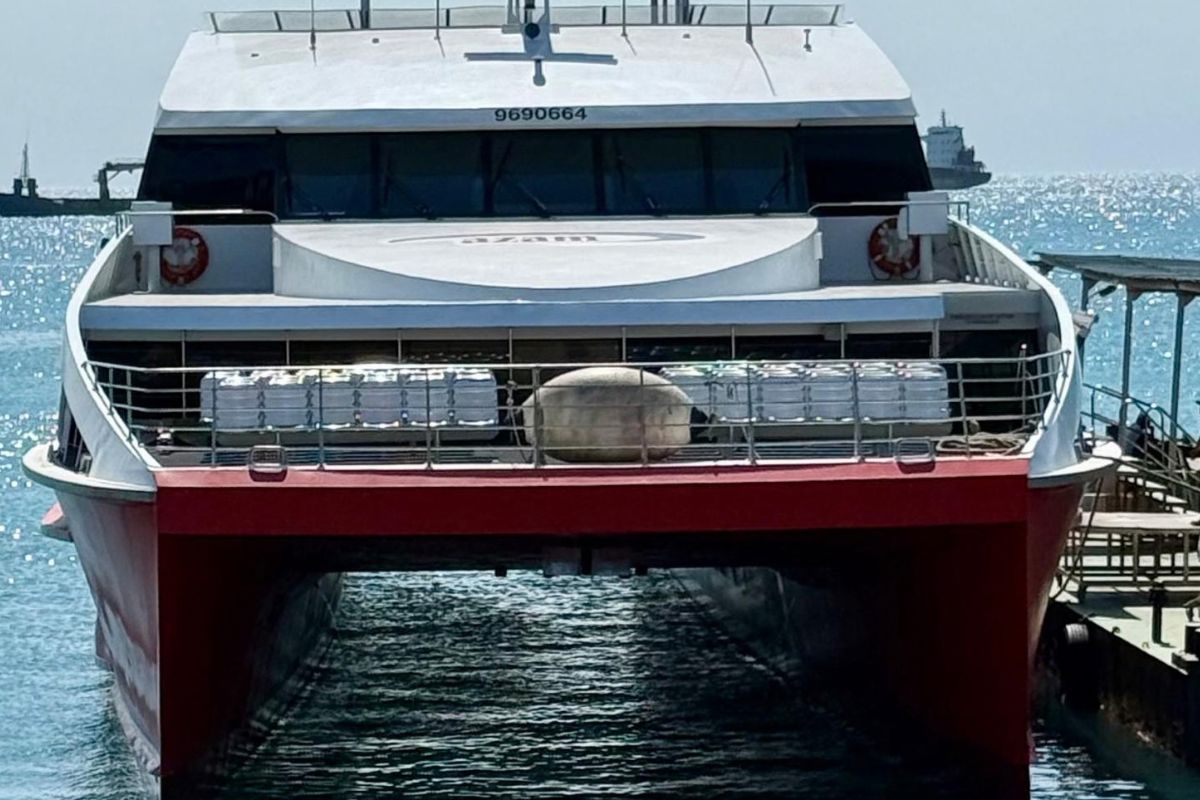
A catamaran can feel rougher than the sea looks
Many Dar es Salaam-Zanzibar services use fast passenger catamarans. They are much lighter and faster than a large conventional ferry, so they can react more sharply to short, closely spaced waves.
That means a crossing can look fairly ordinary from shore and still feel surprisingly active once the vessel is travelling at speed. The motion is often quicker and more abrupt, which can trigger seasickness even when the headline wave height is not especially high.
For motion-sensitive passengers: look at wave period as well as wave height, prepare before boarding, and choose a position near the middle of the vessel where possible. Outdoor seating and a clear view of the horizon can also help some travellers when conditions and crew instructions allow.
The Zanzibar crossing can feel rough even when the sea does not look dramatic
The passenger ferry between Dar es Salaam and Zanzibar crosses open water in the Zanzibar Channel. Several services use fast catamarans rather than large conventional ferries, which means the same wave height can feel much sharper than it would on a heavy overnight ship.
That is the main thing to understand before travelling: do not judge this crossing only from what the water looks like at the terminal. Wave rhythm, wind direction and vessel type can make a moderate-looking sea surprisingly active once the ferry is at speed.
Zanzibar Channel wave forecast
Check the water between Dar es Salaam and Stone Town rather than only the weather at either port. The fast ferries spend most of the trip in open channel conditions, where short waves and cross-seas can become much more noticeable.
A calm-looking crossing still made many passengers seasick
Close friends of the FerryWeather founder recently travelled between Dar es Salaam and Zanzibar on a fast catamaran. They did not describe the sea as especially wild, yet they saw many passengers become seasick during the crossing.
Their experience is anecdotal and one sailing cannot predict another. But it illustrates an important point behind the FerryWeather motion score: vessel type and wave rhythm matter alongside wave height. A fast catamaran can react quickly to short waves, producing sharper vertical movement than passengers expect from looking at the sea.
They also particularly liked the outdoor seating. Fresh air and a clear view of the horizon made the crossing much more pleasant for them. Outdoor access depends on the vessel, weather and crew instructions, so do not assume it will always be available.
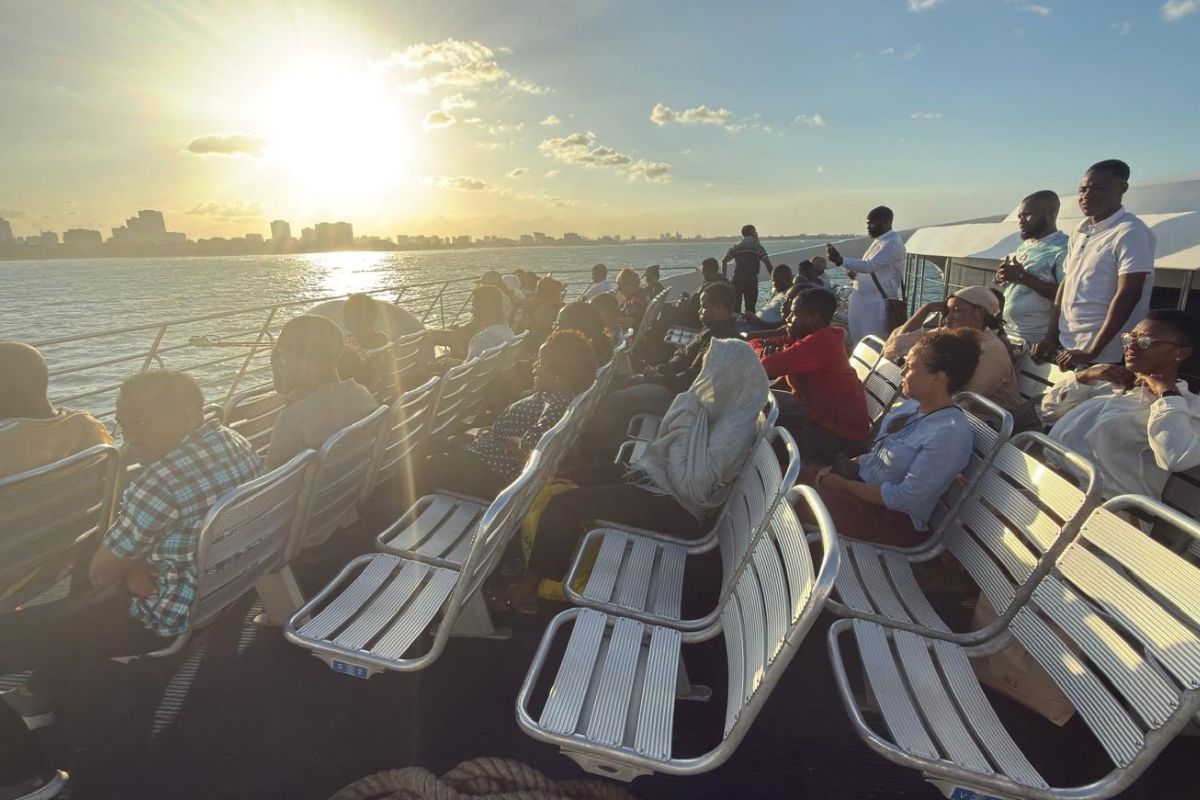
Useful passenger rule: if FerryWeather shows only modest waves but you are travelling on a high-speed catamaran, do not automatically assume the ride will feel calm. If you are motion-sensitive, prepare before boarding and choose a stable position around the middle of the vessel where possible.
June to September brings the strongest southeast-wind signal
Tanzania Meteorological Authority research on the northern Tanzanian coast found the highest frequencies of extreme wind events at Zanzibar during the June-to-September period. The study links that pattern to the stronger southeast monsoon, locally known as the Kusi.
That matters directly to ferry passengers because stronger southeast wind increases the chance of a more active sea in the Zanzibar Channel. TMA’s 2026 seasonal guidance likewise highlighted occasional stronger coastal winds during June and July.
Kusi / southeast monsoon
The strongest seasonal wind signal. Expect more days when wind and waves deserve a deliberate check before a fast-ferry crossing.
Masika long rains
Heavy tropical showers and thunderstorms can reduce visibility and create short-lived local wind changes.
Vuli short rains
Convective showers return. Check the short-range forecast for thunderstorms even when the broader sea state looks manageable.
Fast craft still matter
Even outside the windier season, a short-period sea can make a catamaran ride more active than the headline wave height suggests.
Dar es Salaam-Zanzibar ferry weather
Azam Marine and Kilimanjaro Fast Ferries operate high-speed catamarans between mainland Tanzania and Zanzibar. Azam’s current fleet information shows just how different these vessels are from a large overnight ferry: for example, Kilimanjaro V is a 39-metre aluminium fast ferry with a service speed around 30 knots and a passenger capacity above 500.
That combination of relatively light construction and high speed is one reason vessel response belongs in the weather interpretation. It does not mean the ferry is unsafe in ordinary conditions; it means passengers can feel more movement than they expect.
Vessel type changes the weather question
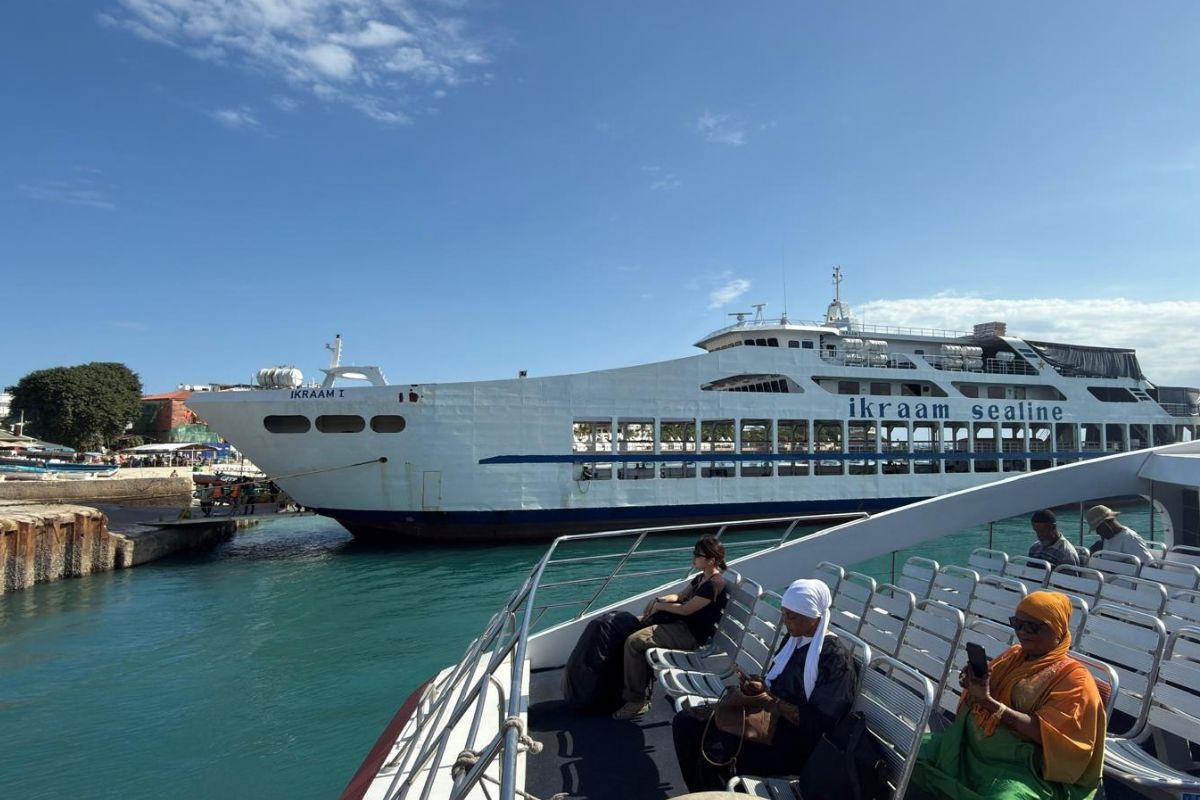
Zanzibar also has larger passenger and cargo ferries serving the islands and mainland. Ikraam Sealine, for example, operates passenger ferry services from Zanzibar. A larger Ro-Ro passenger vessel and a high-speed catamaran will not respond identically to the same sea.
When you check FerryWeather, first identify what you are actually boarding. The route forecast describes the water; the vessel tells you more about how that water may feel.
Prepare earlier on this crossing than the sea might suggest
The Dar es Salaam-Zanzibar crossing has a reputation for catching some passengers by surprise. On a fast craft, waiting until nausea starts can be too late for simple comfort measures to help much.
If you know you are sensitive to motion, use the seasickness guide before boarding and read the fast ferry versus large ferry guide. Looking at the horizon, staying near the middle of the vessel and using outdoor seating when permitted can all make the trip easier for some travellers.
Complete the Zanzibar Channel weather check
Use FerryWeather for passenger comfort, TMA for official marine warnings and your ferry operator for the actual sailing.